
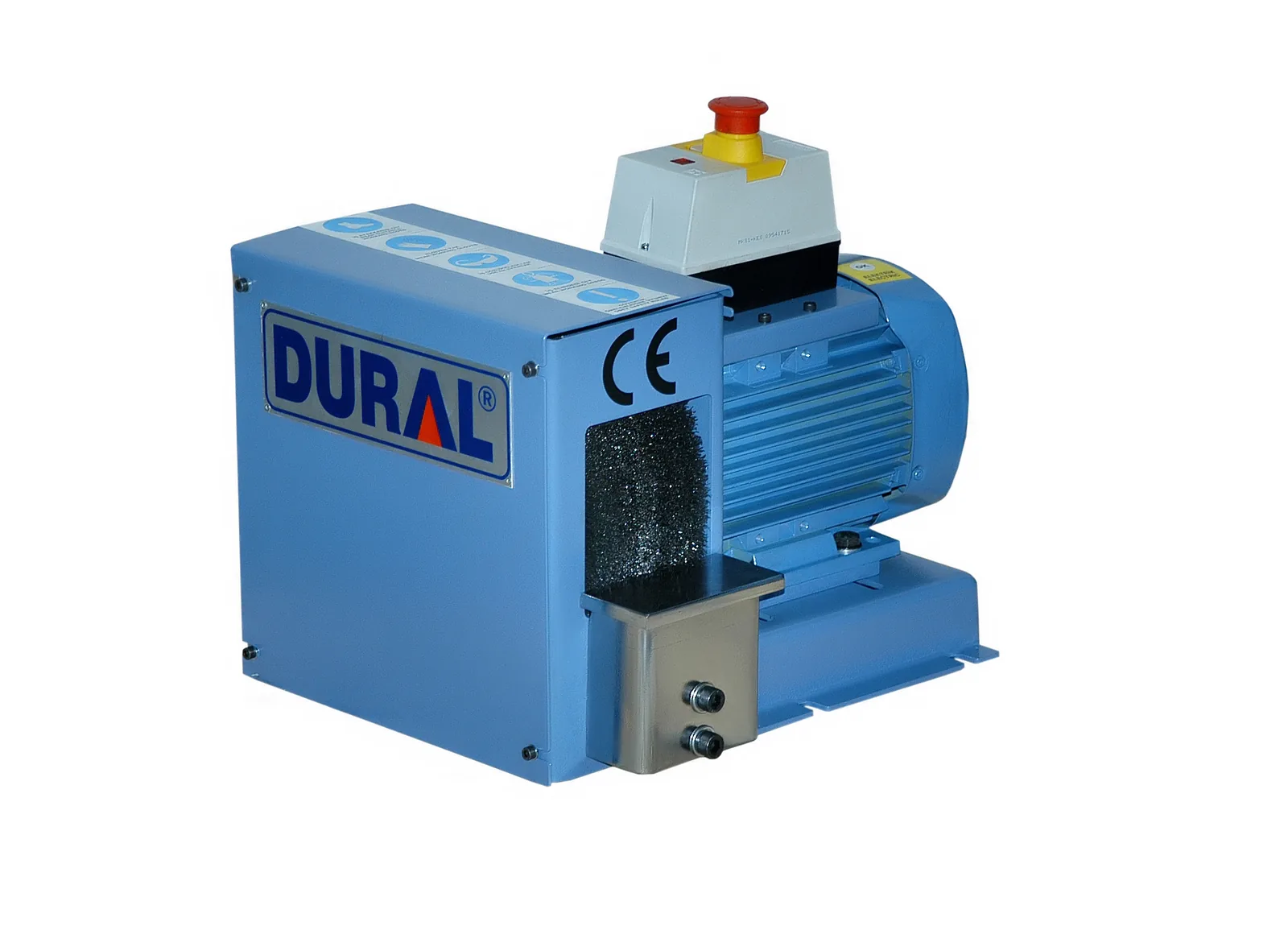
This is one of those machines that does not get enough attention but causes real problems when you skip the step. After cutting tubes to length, the cut ends have burrs — inside and outside. If you feed a burred tube into a bending machine the burr damages the mandrel, wears out the wiper die faster and shortens the life of your tooling. On the finished product side, burrs damage plastic inserts and rubber seals, scratch mating surfaces and generally make your end product look cheap. A quick pass through a tube deburring machine before bending solves all of that.
The DuralBend Yalın series covers everything from small precision tubing to large structural pipe — three models, two different deburring technologies, one job: clean tube ends that do not ruin your downstream tooling. Yalın means “plain” or “simple” in Turkish, which is exactly what these machines are. Simple to use, simple to maintain, they do one thing and do it right.
Two Technologies, One Job
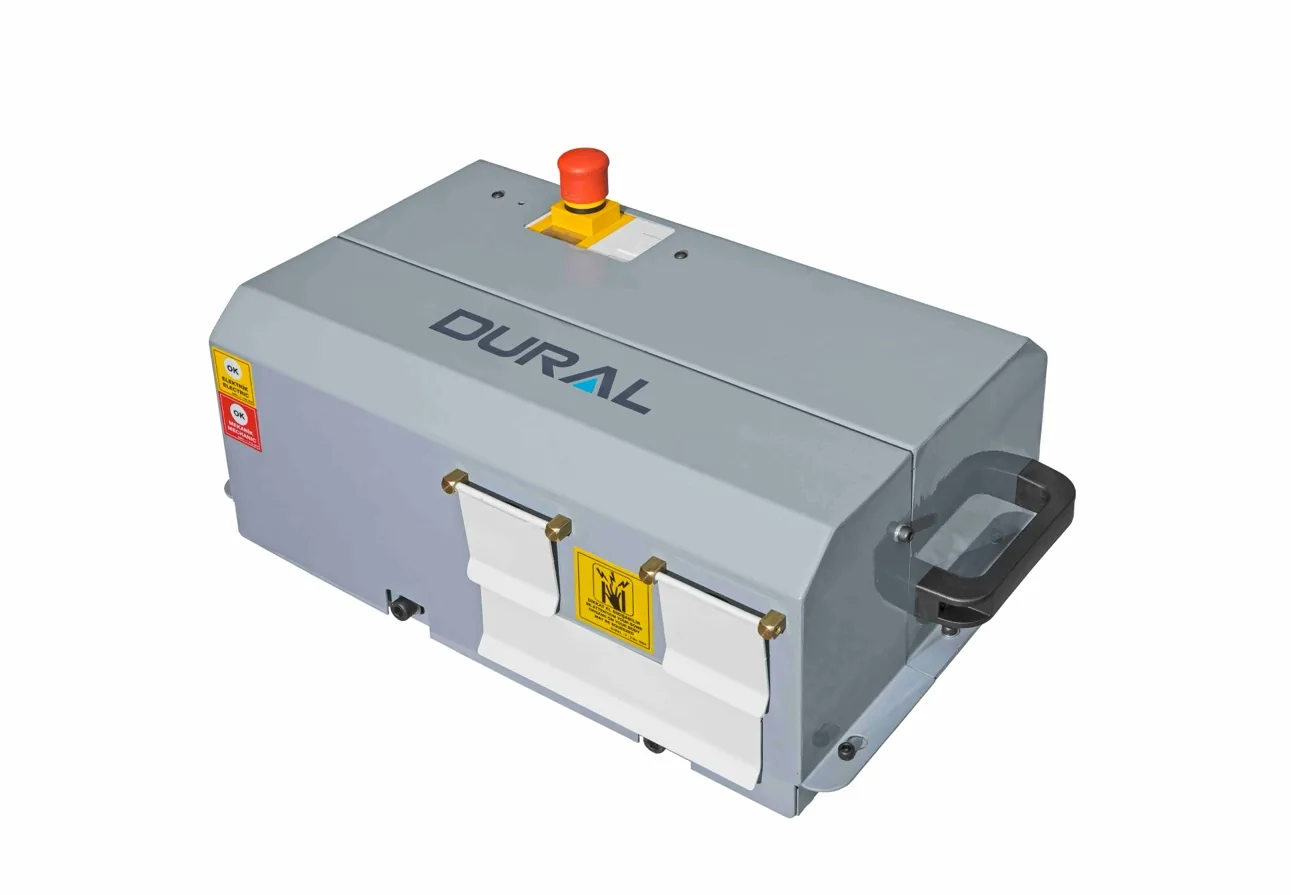
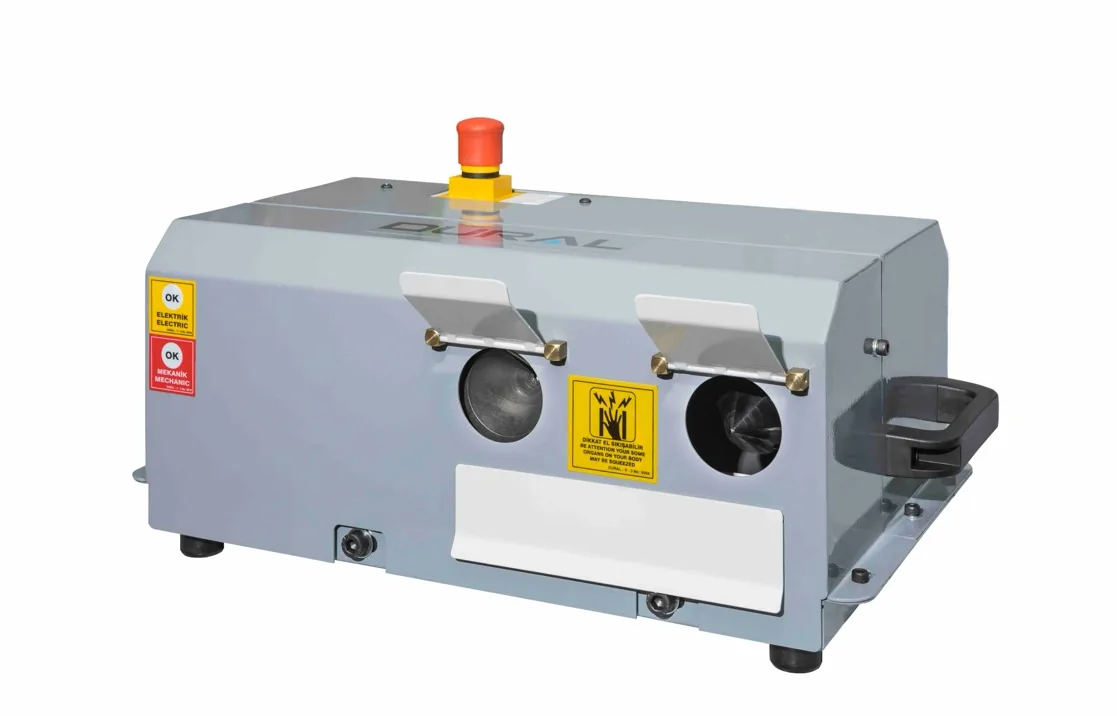
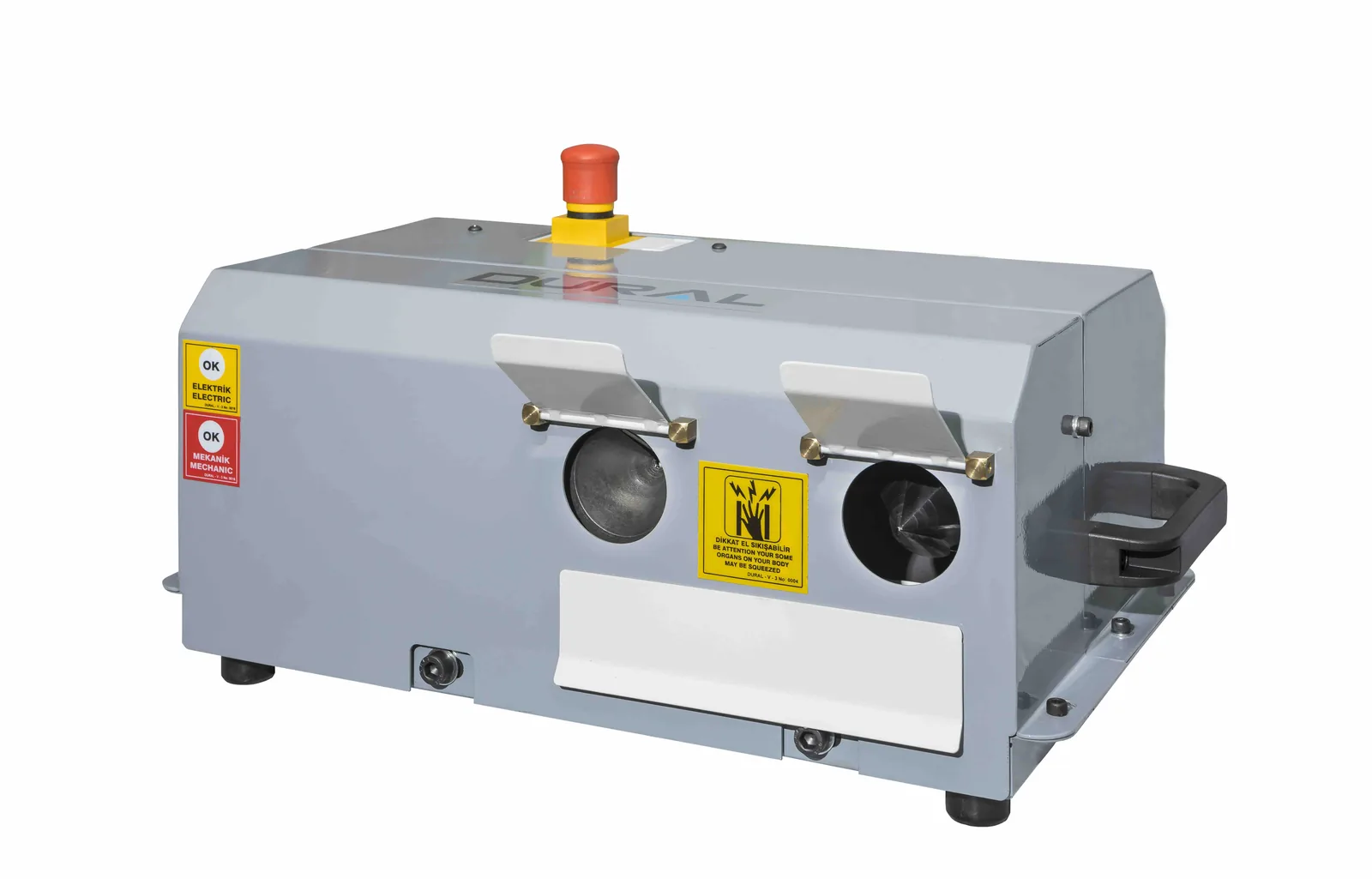
Here is the important distinction between the models. The Yalın 48 and Yalın 60 use rotating cutter heads — actual cutting tools that shave the burr off the inside and outside of the tube end. Fast, precise, and it gives you a clean edge. This is the right approach for small to medium diameter tubes where the wall thickness is consistent and you want a defined, chamfer-like finish.
The Yalın 250 works differently. Instead of cutters it uses wire brushes — rotating steel wire brushes that polish the burr off the tube end without removing parent material. For large diameter pipe this is the better approach. Wire brushes are more forgiving on wall thickness variation, they handle thin and thick wall in the same setup, and they will not accidentally over-cut a soft material. On 200–250 mm pipe you really do not want a cutter taking a bite out of the tube end, and the wire brush avoids that entirely.
The end result is the same either way — a tube end that is safe to handle, safe to feed into your bending machine and ready for assembly. Just different ways of getting there, depending on the diameter and material.
The Yalın Range
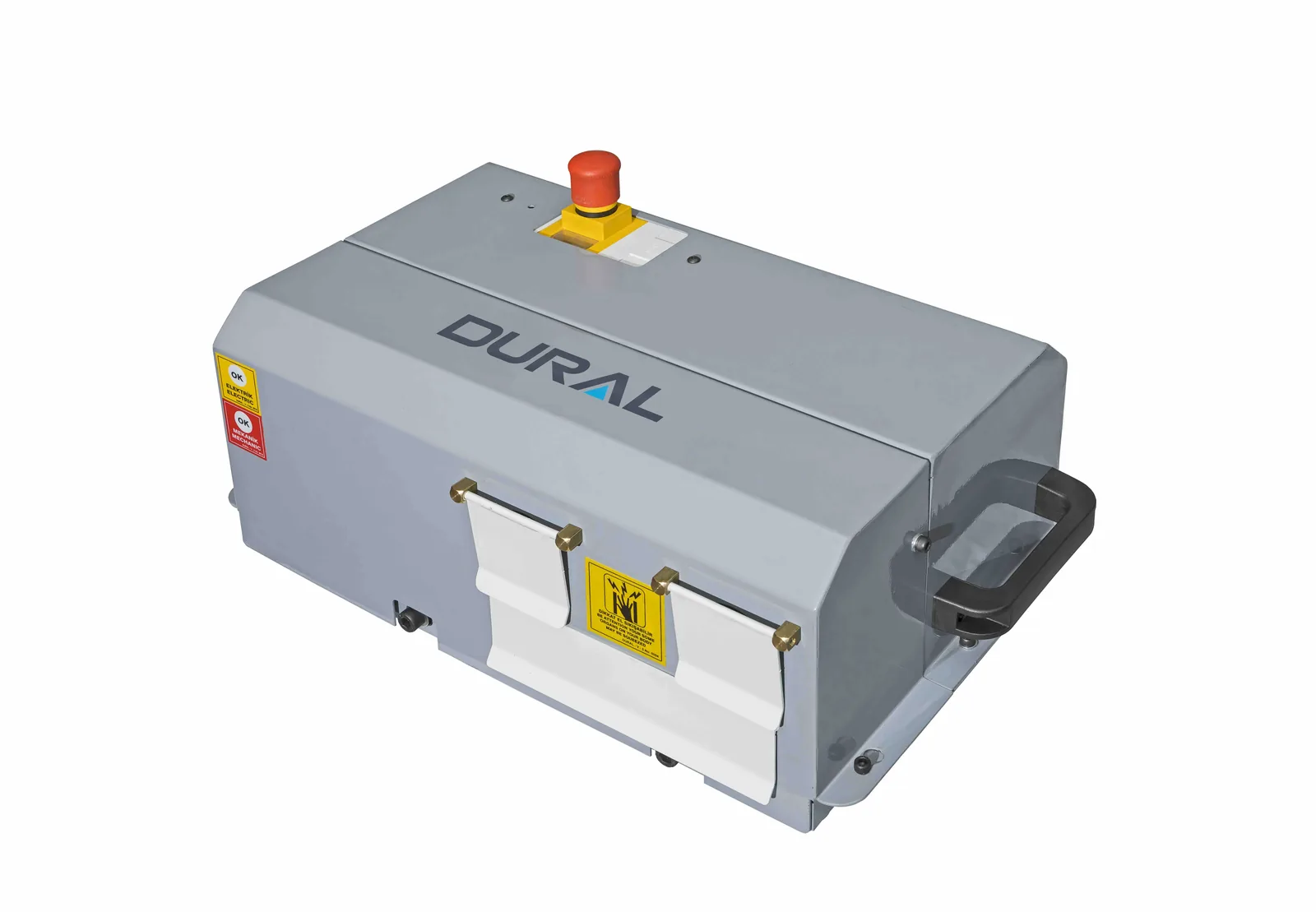
- Yalın 48 — cutter-head deburring machine for Ø8–48 mm tubes. Compact tabletop unit, only 20 kg, so you can move it around the shop wherever you need it. 0.18 kW motor, 140 rpm tooling speed. Our most popular model, because most tube work falls in this diameter range and it takes up almost no space.
- Yalın 60 — cutter-head deburring machine for Ø16–60 mm tubes. 0.36 kW motor, 30 kg. Same concept as the Yalın 48 but with more torque for the larger tubes. Still a tabletop machine, still very portable.
- Yalın 250 — wire brush pipe deburring machine for Ø8–250 mm pipes. 35 kg, upright design rather than tabletop. If you’re working with large diameter pipe in structural, shipyard or heavy industrial applications this is the one. There are not many deburring machines on the market that go up to 250 mm, so it is something of a niche product — but the customers who need it really need it.
Common Features
All three machines deburr both the internal and external edge of the tube end in a single pass. On the cutter models (Yalın 48 and 60) the cutting tools are high-speed steel, which gives a long service life before replacement. On the Yalın 250 the wire brushes are replaceable wear items — they last a long time but eventually wear down depending on what material you’re running.
There is an integrated chip and dust collecting box on each machine, so metal shavings and brush debris do not end up all over your workbench. Simple machines, but they are well made and they do the job properly.
Why Bother With a Deburring Step?
The best way to think about a tube deburring machine is as insurance for your other equipment. The cost of a deburring machine is small compared with replacing a damaged mandrel on a tube bender, or scrapping bent tubes because of surface defects from burrs. Customers who have tracked their mandrel replacement frequency before and after adding a Yalın to the line report that it pays for itself quickly.
It also matters for downstream quality. Cleanly deburred tube ends weld better, seal better against o-rings and gaskets, and do not cut your operators’ hands during handling. Small detail, big impact.
Which Model?
Need help choosing between the cutter-head Yalın 48/60 and the wire brush Yalın 250? Tell us your tube diameter range and the material you’re running and we will point you at the right model. Email info@duralbend.com or call +90 212 482 41 07.
Category: Tube Deburring Machines
| Yalın 48 | Yalın 60 | Yalın 250 | |
|---|---|---|---|
| Deburring technology | Rotating cutter head | Rotating cutter head | Rotating steel wire brush |
| Tube diameter range | Ø8 – Ø48 mm | Ø16 – Ø60 mm | Ø8 – Ø250 mm |
| Motor power | 0.18 kW | 0.36 kW | on request |
| Tooling speed | 140 rpm | on request | on request |
| Weight | 20 kg | 30 kg | 35 kg |
| Design | Tabletop, portable | Tabletop, portable | Upright |
| Tooling material | High-speed steel cutters | High-speed steel cutters | Replaceable wire brushes |
| Internal & external edge in one pass | Yes | Yes | Yes |
| Chip and dust collection box | Yes | Yes | Yes |
The Yalın 48 and Yalın 250 diameter ranges overlap. The difference is the technology, not the capacity: on large diameter or variable wall thickness pipe the wire brush is the safer choice, while the cutter head gives a defined, chamfer-like edge on smaller consistent-wall tube.